
Floor Tiling Derby
Ceramic and porcelain floor tiles supplied and fitted for kitchens, bathrooms, hallways and commercial premises across Derby and Derbyshire.
A tiled floor is only as good as the base it sits on and the setting out that starts it. We prepare and level the floor, set out the tiles so the cuts fall where they should, and fit and grout the floor properly.

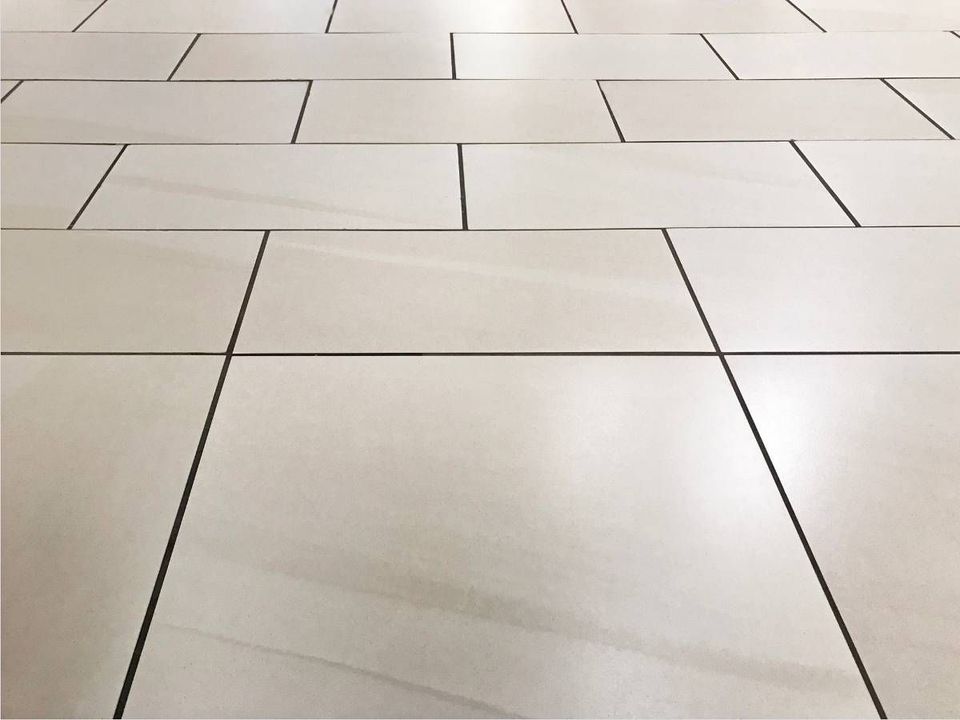
Floor Tile Styles and Stages
Some of the tile formats and finishes we fit, and how a tiled floor goes down. See more in our gallery.
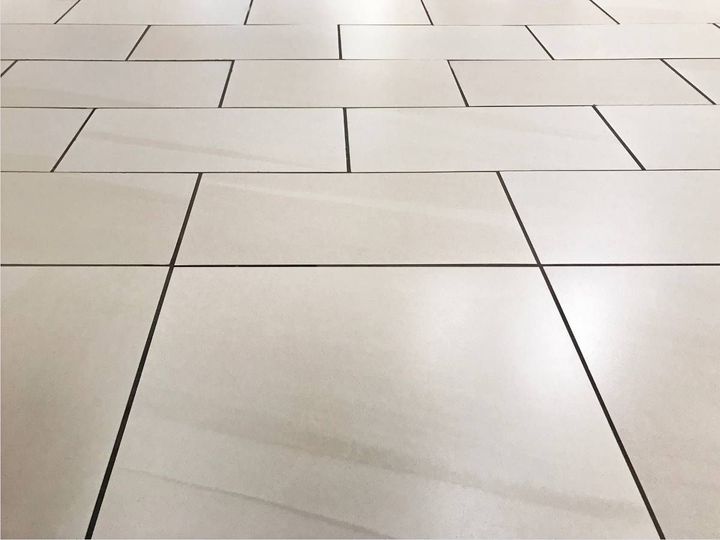
Large format tiles
Fewer grout lines make a room look larger, but large tiles demand a very flat, well-prepared floor.
Floor preparation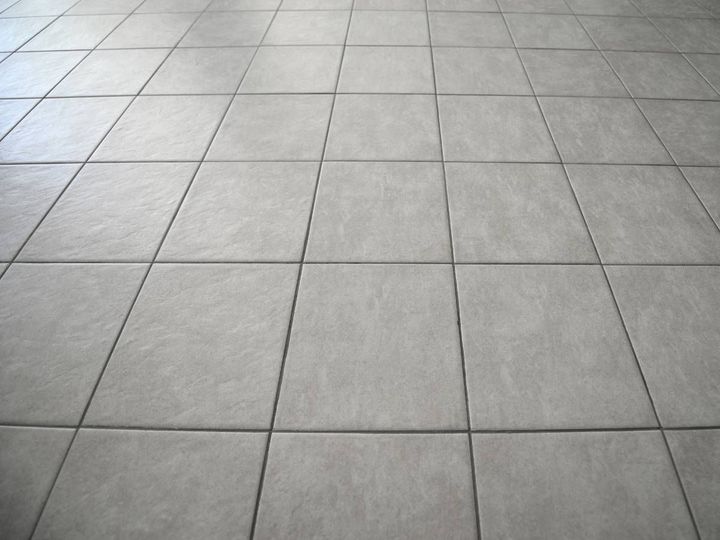
Grey ceramic
Mid-grey tiles are the default choice in modern kitchens and take everyday traffic without showing much.
Request a quote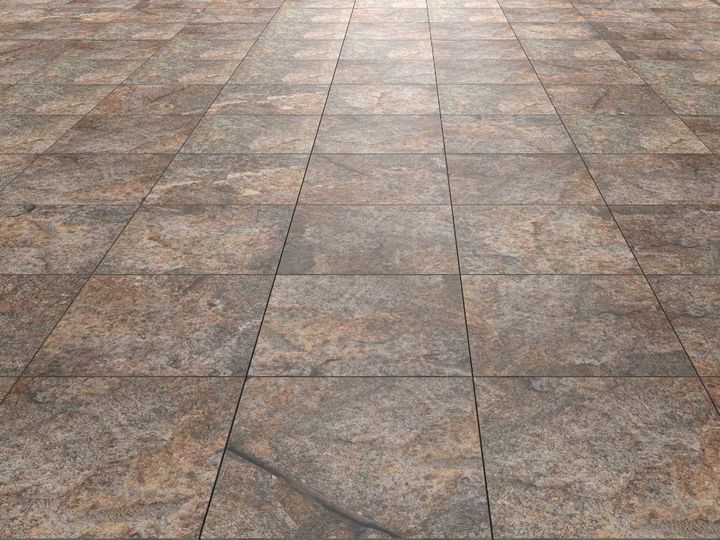
Rustic finishes
Rustic and stone-effect tiles suit older properties, hallways and porches where a plain tile looks stark.
Request a quote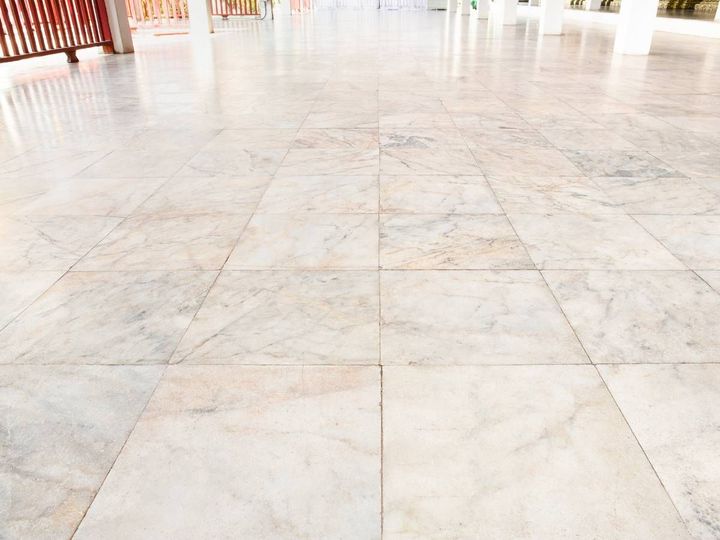
Porcelain for commercial
Porcelain is denser and harder wearing than ceramic, which is why it is common in foyers and reception areas.
Commercial flooring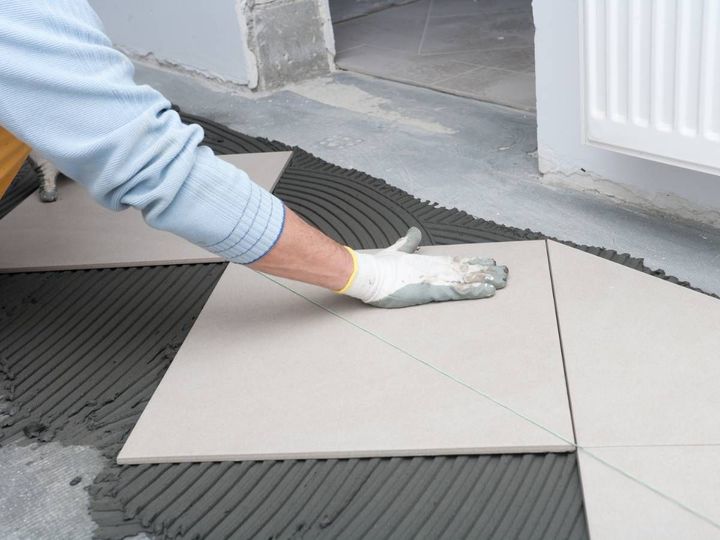
Bedding the tiles
Adhesive is chosen for the tile and the base, combed out with a notched trowel, and each tile pressed fully home.
Request a quote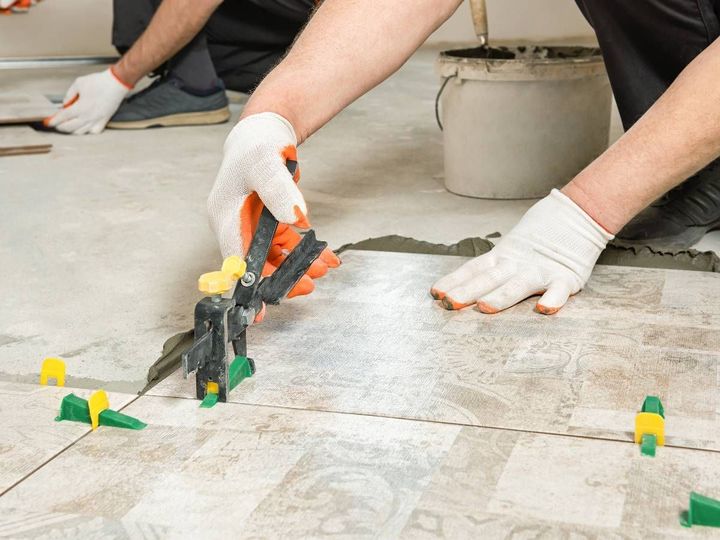
Levelling and spacing
Spacers keep grout lines consistent and levelling clips hold neighbouring tiles flush so there are no lipped edges.
Request a quoteFloor Tilers Derby
Experience, a flat base and careful setting out.
When you're looking for a floor tiler, experience and reliability matter most. Any tiling job booked with us goes to a tiler who turns up when agreed, completes the work in the agreed timeframe and keeps you informed throughout.
Attention to detail and a properly flat sub-base are what separate a good tiled floor from an average one. Kitchens and bathrooms are the rooms that make the biggest impression on a house, whether you're selling or staying, so they're worth getting right. Whether it's a home or an office, get in touch to arrange a quote.
Ceramic and Porcelain Floor Tiles
Floor tiles come in many sizes and styles. Most indoor floor tiles are ceramic, made from clay fired at high temperatures into a hard, dense material that resists stains, scratches and moisture, and available in a huge range of colours, patterns and sizes. Porcelain is fired harder and absorbs less water, which makes it a common choice for commercial foyers and reception areas, and for wet areas at home.
For bathrooms, wet rooms and entrances, ask about the slip rating as well as the look. Tiles are rated for slip resistance, and for floors that get wet we'll point you towards a tile with the grip the room needs. See our safety flooring page for how slip resistance is measured.
Tiling Over Underfloor Heating
Tiling is the most popular finish over underfloor heating, because tile conducts heat well and then holds it. We install both wet and electric systems ourselves, so the heating, the screed and the tiles can be planned as one job. It's well worth deciding on underfloor heating before any tile is laid.
A heated floor moves as it warms and cools, so the build-up matters: a flexible adhesive and grout are used, and on some bases an uncoupling membrane is added to absorb movement. New screeds and heated screeds also need to be commissioned and heat-cycled before tiling, and the heating is left off while the floor is laid and brought up gradually afterwards. The British Standard for floor tiling, BS 5385, covers this, and we follow the tile and adhesive manufacturers' instructions for the specific products.
How We Tile a Floor
First the surface is cleaned and levelled, because tiles fixed to an uneven base crack, lip or come loose. Then we measure and mark out the layout so the tiles are evenly spaced and the cuts fall in sensible places rather than in a doorway.
Adhesive is mixed as the manufacturer directs and combed onto the floor with a notched trowel, with the adhesive chosen to suit the porosity of the tile. Tiles are laid into it and pressed firmly home, using a rubber mallet where needed, with spacers keeping the grout lines consistent. Once the adhesive has set we remove the spacers and grout the floor, spreading it evenly to fill every joint, then clean the excess off with a float and a damp sponge. Once the grout has cured the floor can be walked on.
Related Services
Underfloor Heating
Electric and wet systems, with tiles as the best finish on top.
Floor Preparation
Levelling and screeding for the flat base tiles need.
Safety Flooring
Non-slip flooring and cap coving for wet rooms and commercial areas.
LVT Flooring
Tile-effect luxury vinyl, warmer underfoot than ceramic.
Commercial Flooring
Porcelain, vinyl and carpet tiles for business premises.
Door Matting
Entrance matting to keep grit off a tiled hallway floor.
Floor Tile Fitters Near You
We supply and fit ceramic and porcelain floor tiles across Derby, Ripley, Heanor, Belper, Borrowash, Castle Donington, Melbourne, Alfreton, Somercotes, South Normanton, Allestree and Quarndon. Get in touch to arrange a quote.
Floor Tiling Questions
Why choose Derbyshire Flooring Specialists to fit our floor tiles?
We provide a complete floor tiling service, so there's no hassle deciding on and sourcing the right tiles, adhesives and grouts. We bring samples to view in the room where the tiles are going, so you see them in the light they'll be lived with.
You deal with one company for supply and fitting, and we bring the experience and attention to detail that a tiled floor needs if it's going to look right for years.
How do I clean and maintain ceramic floor tiles?
Sweep or vacuum regularly to lift loose dirt and grit, then mop with a mild detergent in warm water. Avoid harsh chemicals and abrasive pads, which can dull the glaze. Grout is the part that shows wear first, so clean spills promptly, and depending on the grout and tile a sealant every few years helps keep stains out.
Are ceramic floor tiles suitable for high-traffic areas?
Yes. Ceramic tiles are durable and resist scratches, stains and water, which suits kitchens, hallways and commercial areas. For the busiest commercial floors, porcelain is the harder-wearing option. The tile's rating and the quality of the installation matter more than the material alone.
Can floor tiles be laid over existing flooring?
Sometimes. The existing floor must be sound, level and suitable for adhesive to bond to, and any cracks or movement need addressing first. The added height also has to work with doors, appliances and thresholds. Where the existing floor isn't suitable, we lift it or screed over it. We'll assess it and give you an honest answer.
What is the difference between ceramic and porcelain floor tiles?
Porcelain is made from a finer clay fired at a higher temperature, so it's denser, harder and absorbs less water than standard ceramic. That makes it a good choice for commercial floors and wet areas, though it's usually more expensive and harder to cut. For most domestic floors a good ceramic tile is perfectly suitable.
Can you tile over underfloor heating?
Yes, and tiles are the best finish for it. The floor needs a flexible adhesive and grout to cope with the movement of a heated floor, and sometimes an uncoupling membrane. New and heated screeds must be commissioned and heat-cycled first, with the heating off during tiling and brought back up gradually afterwards.
