
Flooring Fitters in Repton and Willington
Oak, engineered wood and everything else, across Repton, Willington, Findern and Newton Solney.
Almost every flooring search from this corner of South Derbyshire is for wood, and grade is what decides the price. It is not a quality ladder, it is an appearance one, and nobody explains it. So this page does.

Recent Work
Jobs from across Derby and Derbyshire.
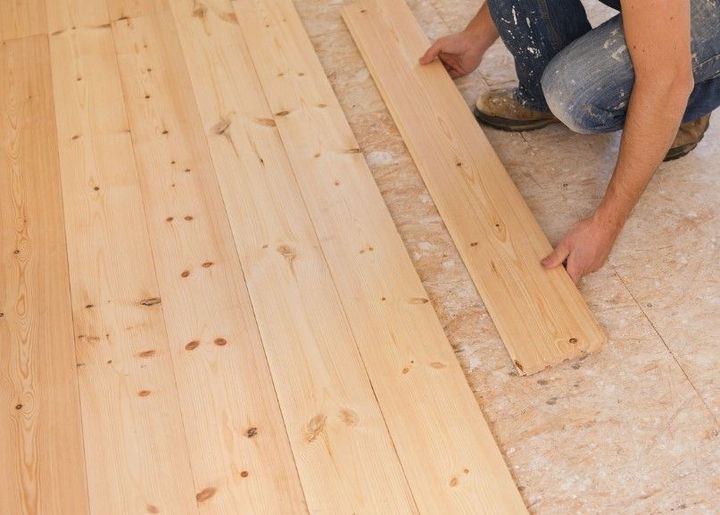
Oak, Acclimatised Before Fitting
Several days settling in the room it is going into, not fitted off the van.
Wood flooring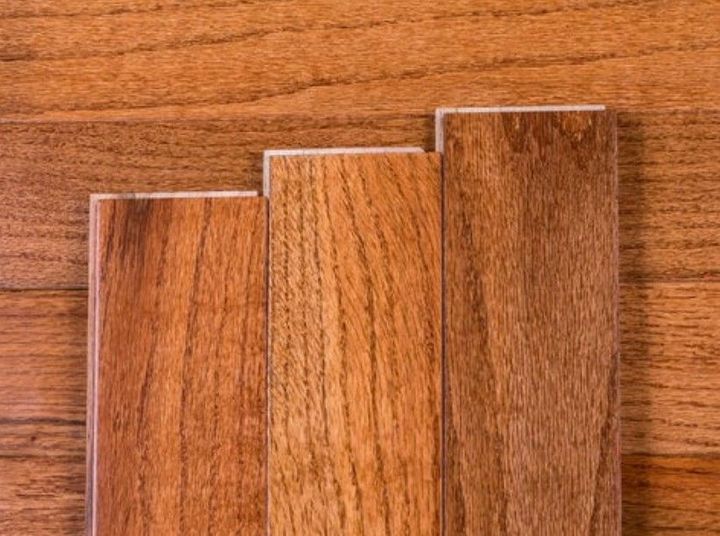
Engineered Board With a Real Wear Layer
At 3mm it can be sanded back. At 0.6mm it cannot be sanded at all.
Engineered wood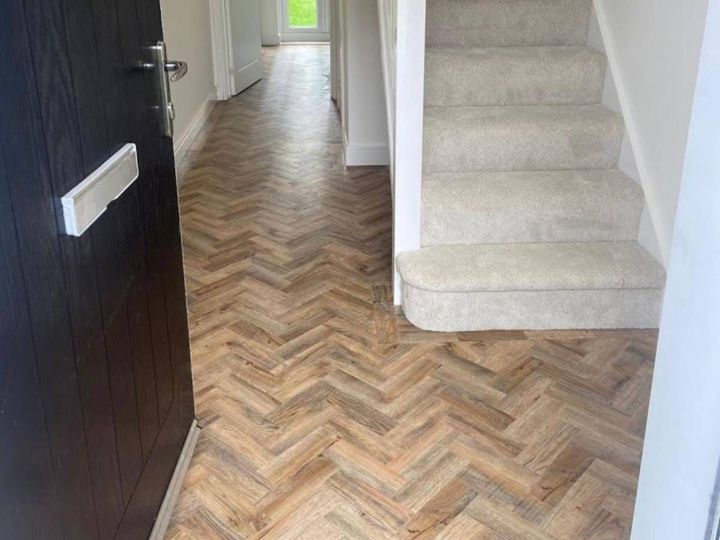
Herringbone, Set Out From the Centre
A pattern started at a wall drifts. This one was measured first.
Herringbone flooring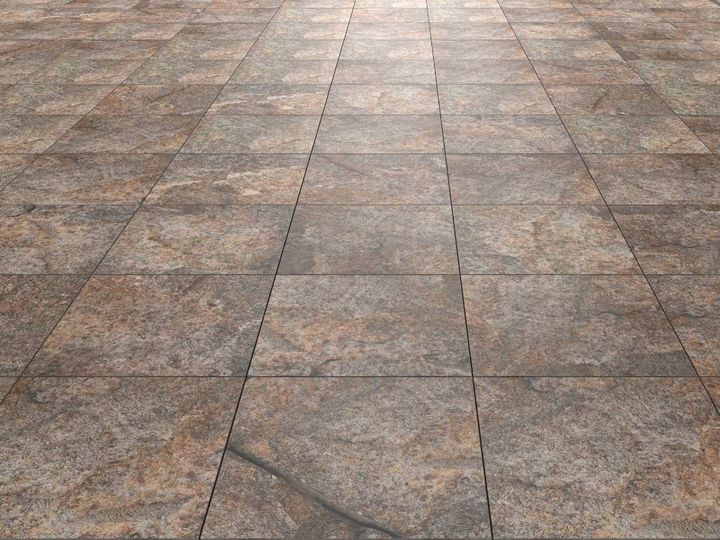
Tile Over a Solid Base
The one floor that can be dried out and kept if water ever reaches it.
Floor tiling
Levelling Before Anything Else
Old solid floors settle. Wood shows every dip they have developed.
Floor preparation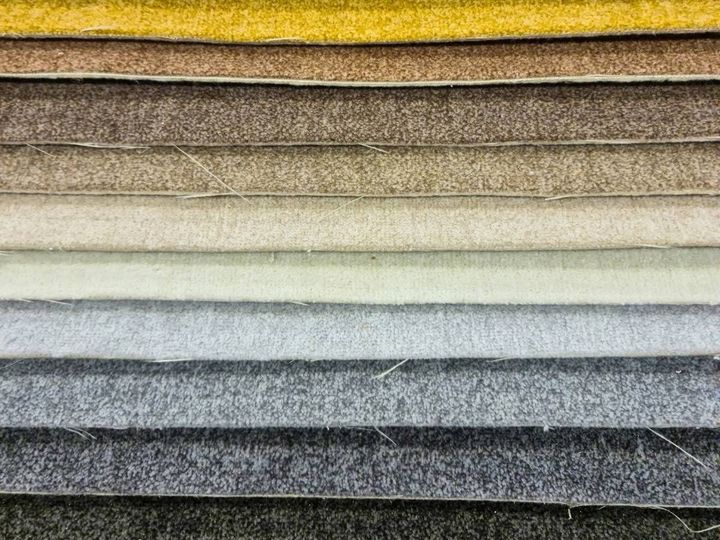
Samples Brought to the Room
Oak and carpet both look different in your light than in anyone's showroom.
Carpet fittingFlooring in Repton and Willington
Two South Derbyshire villages a couple of miles apart on either side of the Trent, and about as different in character as neighbours can be. Repton is one of the more historically significant villages in England — an Anglo-Saxon crypt beneath the parish church, a school founded in the sixteenth century, and a conservation area covering most of the centre. Willington is younger, lower and wetter, strung along the canal and the railway with a marina and a good deal of twentieth-century and modern housing.
We cover both, along with Findern, Twyford, Milton and Newton Solney. The search data from this corner of the county is unusually consistent about one thing, so this page leads with it.
Oak and Engineered Wood: What the Grades Actually Mean
Nearly everything people around Willington search for is wood flooring, and grade is what decides the price. Almost nobody explains it.
Walk into any supplier and you will be shown oak boards that look broadly similar and are priced a very long way apart. The difference is almost never quality in the sense of durability. It is grade, which describes how much natural character the timber is allowed to show, and it is a matter of appearance rather than strength.
The terms vary slightly by manufacturer but the ladder is consistent. Prime(sometimes AB) is the most uniform — minimal knots, tight consistent colour, very little sapwood. Select allows small knots and a little more colour variation. Natural permits knots up to a stated size and visible variation between boards. Rustic or Character(sometimes CD) has large knots, filled splits, strong colour movement and all the marks of the tree it came from.
Here is the part worth knowing: rustic is not inferior oak. It is the same timber. It is cheaper because more of the tree can be used, and in a period cottage or a beamed room it usually looks far more at home than a flawless prime board, which can read as oddly modern against a seventeenth-century wall. In a clean contemporary extension the reverse applies.
So the question is not which grade is best. It is which grade suits the room, and the budget consequence runs in whichever direction that answer takes you.
Wear Layers, Widths and How Long a Floor Lasts
Two more numbers decide more than the grade does, and both are easy to check before you buy.
On engineered board the one that matters is the wear layer — the thickness of real oak on top of the plywood core. At 2mm it is essentially a one-time floor. At 3mm you can expect a sand and refinish, maybe two. At 4mm to 6mm you are into a floor that can be taken back several times and will outlive most solid floors in practice. A cheap engineered board with a 0.6mm veneer cannot be sanded at all, and that is worth knowing before rather than after.
Board width is the other. Wider boards look generous and are fashionable, and they also move more across their width with changes in humidity. A 220mm board in a room with big seasonal swings will show more gapping than a 150mm one. In a stable, heated house it is a non-issue; in a cottage or a barn it is worth thinking about.
And one that costs people floors: acclimatisation. Wood needs to sit in the room it is going into, unopened or loosely stacked as the manufacturer directs, long enough to settle to the conditions there — usually several days. Fitting a floor the morning it comes off the van is the most common cause of gaps appearing three months later. We build that time into the programme rather than treating it as optional.
Repton: Old Buildings and Consent
Repton’s centre is conservation area and a good number of its buildings are listed, including some of considerable age. The distinction is worth keeping straight: conservation area status is mainly about external appearance and demolition, and changing a floor covering inside does not normally engage it. Listing covers the interior too, and lifting an original floor can need consent.
Our role in that is narrow and we keep it narrow. We are not heritage advisers and we do not interpret designations. What we do is notice — if a floor comes up and what is underneath looks like it has been there considerably longer than the carpet, we stop and tell you, so the question can be asked of the right people before anything irreversible happens. In a village with this much genuine history under it, that pause is worth more than the day it costs.
Practically, older Repton property brings solid floors laid without a damp-proof membrane, low door heads that limit how much height a new floor can add, and the occasional suspended timber floor over a void that wants looking at before anything goes over it. All three are things we check at quote stage.
Willington: Lower Ground and Modern Housing
Willington sits low, beside the Trent and the canal, and parts of the village are closer to the water than others. If you are near either, it is worth a free two minutes with the Environment Agency long-term flood risk check on GOV.UK, which works from a postcode, before you spend money on a floor.
Where risk is real it narrows the sensible choices. Ceramic and porcelain tile over a solid base is the most resilient thing you can lay and can be dried and kept. What fares worst is anything with a fibreboard or chipboard core — most laminates and most click-fit underlays swell and do not recover.
The rest of the village is modern and behaves like modern housing anywhere: flat sound bases, minimal preparation, and the usual questions of door clearance and whether an upstairs board has been lifted for a pipe run and refixed badly. Straightforward jobs, and quick ones.
Schools, Village Shops and Small Commercial
Between them the two villages carry a school estate, a marina, pubs, village shops and a scattering of small offices and treatment rooms.
Education and childcare premises want welded safety vinyl in wet areas and carpet tile in teaching and quiet spaces, and the work happens in holidays rather than term time. Food premises want welded vinyl with coved skirtings. Shops want something that takes a wet day off the towpath and a matting well at the door to stop most of it.
Tell us your closure window when you ask for a price and we will programme the job to fit it.
Our Flooring Services
Wood Flooring
Solid and engineered oak, every grade.
Herringbone
Herringbone and parquet-effect layouts.
LVT Flooring
Luxury vinyl tile, supplied and fitted.
Floor Tiling
Ceramic and porcelain, the most flood-resilient option.
Carpet Fitting
Carpets, grippers and underlay.
Floor Preparation
Moisture testing and levelling old solid floors.
Joist Replacement
Repair of suspended timber floors.
Commercial Flooring
Schools, shops, pubs and small offices.
Get a Price for Your Floor
Tell us the rooms, the rough sizes and what the property is like. For wood we will talk through grade and board width before anything is priced.
Flooring Questions from Repton and Willington Customers
Which areas do you cover around Repton and Willington?
Repton, Willington, Findern, Twyford, Milton, Newton Solney and the villages along that stretch of the Trent.
If you are nearby and not listed, ring 01332 215444 and ask.
Why are two oak floors that look similar priced so differently?
Almost always grade, which describes how much natural character the timber shows rather than how durable it is. Prime is the most uniform with minimal knots; select allows a little more; natural permits knots and visible variation; rustic or character has large knots, filled splits and strong colour movement.
Rustic is not inferior oak. It is the same timber, cheaper because more of the tree can be used, and in a period room it usually looks far more at home than a flawless prime board.
Which oak grade should we choose?
Whichever suits the room rather than whichever is dearest. In a cottage, a beamed room or anything with age to it, a rustic or natural grade sits comfortably where a perfectly uniform board can look oddly modern.
In a clean contemporary extension the reverse is true and prime or select will look right. The budget consequence follows the room, not the other way round.
What is a wear layer and what thickness do we need?
On engineered board it is the thickness of real oak on top of the plywood core, and it decides how many times the floor can be sanded and refinished.
At 2mm it is effectively a one-time floor. At 3mm expect one sand, perhaps two. At 4mm to 6mm you have a floor that can be taken back several times. A cheap board with a 0.6mm veneer cannot be sanded at all.
Are wide boards a bad idea?
Not bad, but worth thinking about. Wider boards move more across their width as humidity changes, so a 220mm board will show more seasonal gapping than a 150mm one.
In a stable, consistently heated house it is a non-issue. In a cottage, a barn or anywhere with big swings in temperature and humidity it is a real consideration.
Why does wood need to acclimatise before fitting?
Because wood takes on and gives up moisture from the air around it and changes size as it does. It needs to settle to the conditions in the room before it is fixed in place — usually several days, as the manufacturer directs.
Fitting a floor the morning it comes off the van is the most common single cause of gaps appearing three months later. We build that time into the programme rather than treating it as optional.
Our Repton house is listed. Does that affect the floor?
Very possibly. Protection extends to what is inside a listed building, not only its outside, so removing an original floor is not always something you are free to do simply because you own it.
We fit floors; we do not read designations or advise on what is permitted. If we uncover something that looks original we down tools and tell you, and the question goes to your local authority’s conservation team before anything else happens.
We are near the river in Willington. Does that change what we should fit?
Check first, free, using the Environment Agency long-term flood risk service on GOV.UK — it works from a postcode.
Where the risk is real, ceramic or porcelain tile over a solid base is the most resilient choice and can be dried and kept. What does worst is anything with a fibreboard or chipboard core, including most laminates and most click-fit underlays, which swell and do not recover.
Areas We Cover
We fit flooring across Derby and the Derbyshire towns around it. Villages near each of these are covered too — if yours is not listed, ask us.
