
Flooring Fitters in Chellaston
Covering Chellaston, Boulton Moor, Shelton Lock and the south-east of Derby.
A lot of Chellaston is modern, which means liquid screed and underfloor heating under the floor. Get the primer, the drying time and the compound wrong and a good floor fails anyway. We ask what is underneath before we quote.

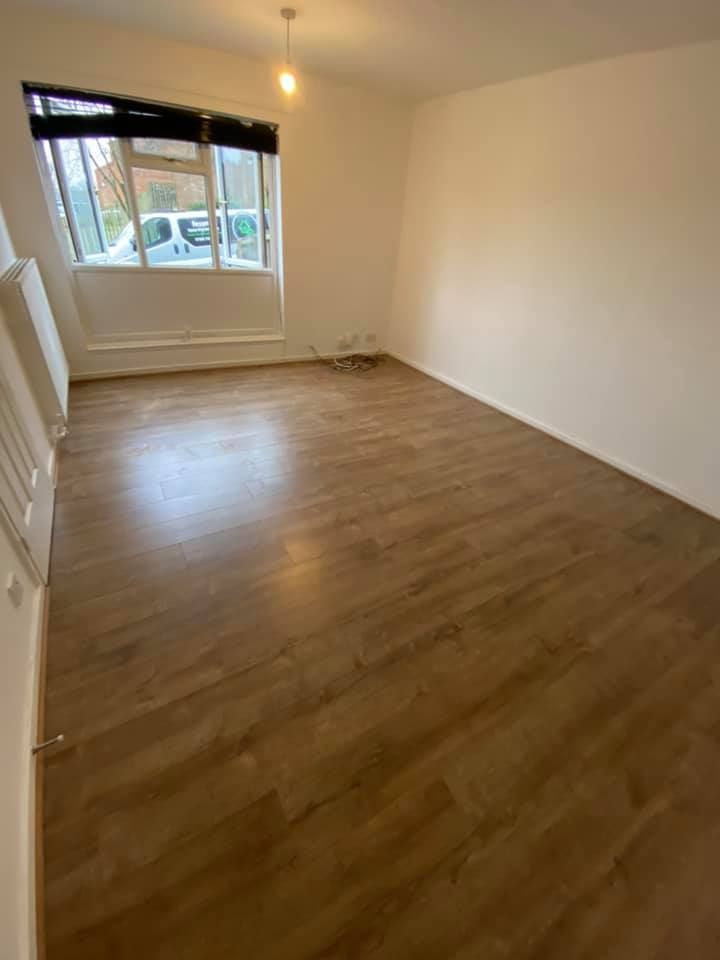
Recent Work
Jobs from across Derby and Derbyshire.
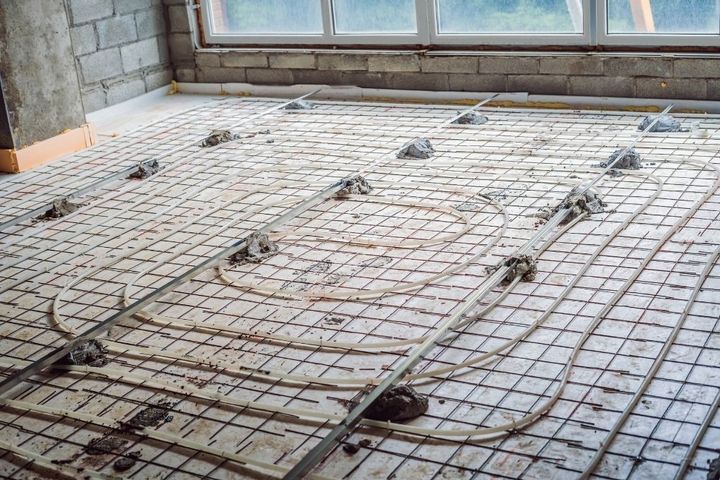
Heating In Before the Screed
Pressure-tested and signed off while it can still be reached and fixed.
Underfloor heating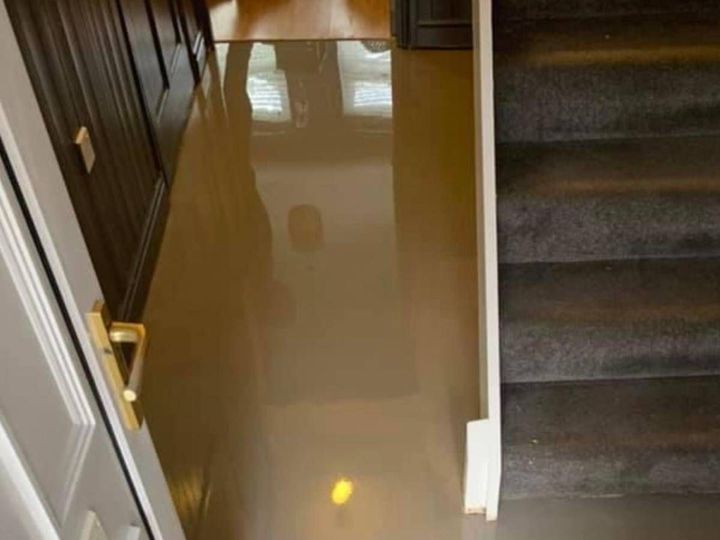
Primed, Then Levelled
On a calcium sulphate screed the primer is not optional, it is what stops the bond failing.
Floor preparation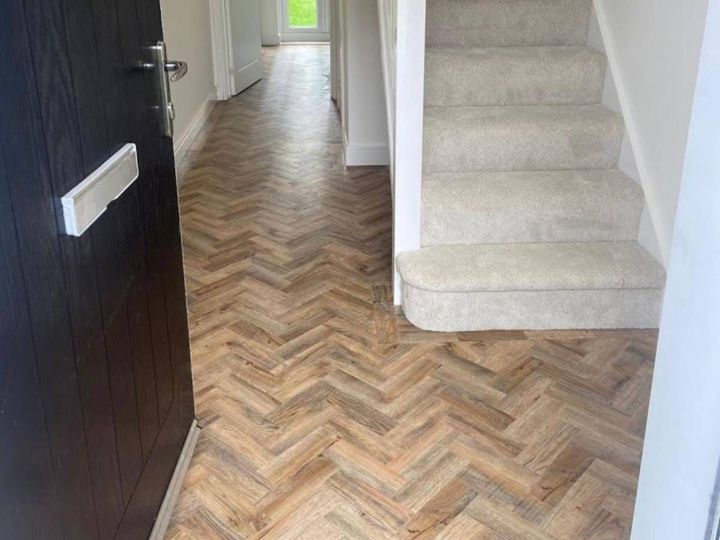
Herringbone LVT Over Heating
Thin enough to let the heat straight through, unlike a thick board and underlay.
Herringbone flooring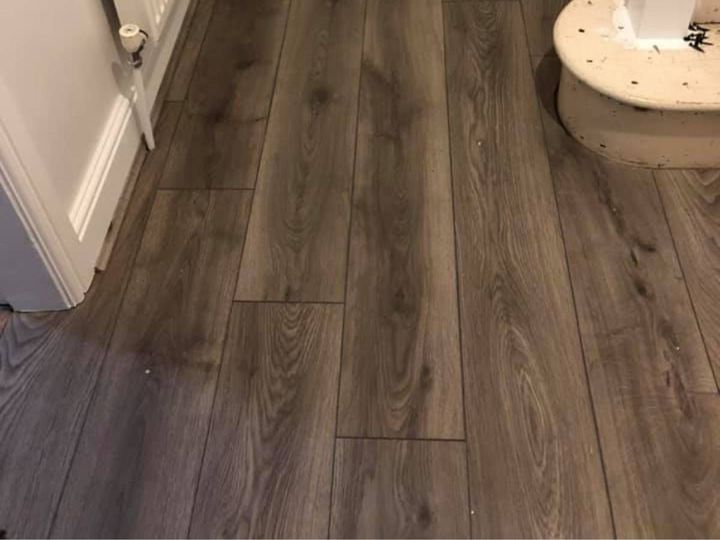
Laminate With the Right Underlay
Over heating the underlay choice matters more than the board does.
Laminate flooring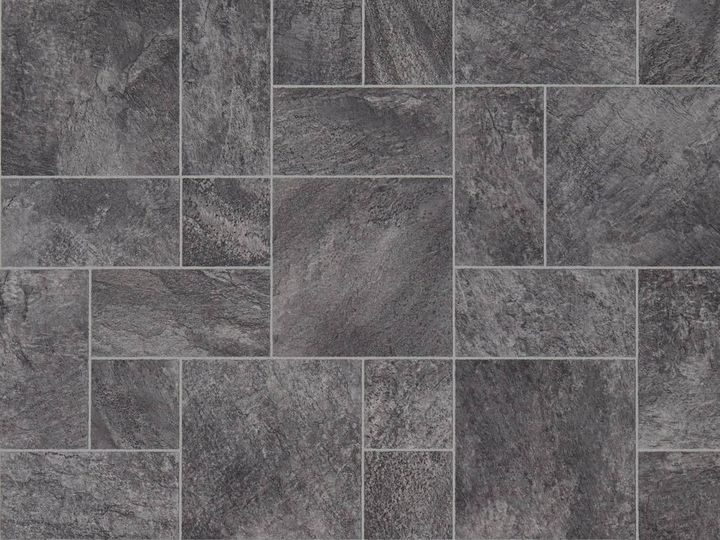
Slate Effect Sheet Vinyl
Tile look, no grout lines to clean, and it warms up quickly over heating.
Vinyl flooring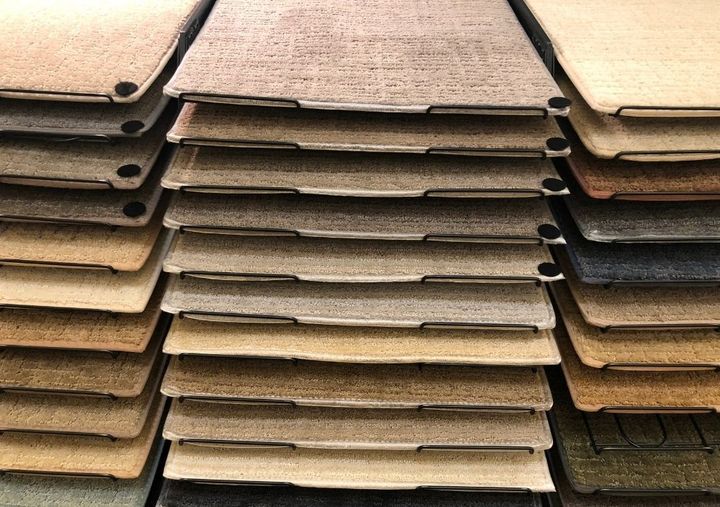
Carpet Samples, Brought to You
Over heating the underlay has to be a low-tog type or the system fights it.
Carpet fittingFlooring in Chellaston
Chellaston is one of the parts of Derby that has grown fastest, and the housing reflects it. An old village core around the church and High Street, a substantial band of postwar development around that, and then estate after estate of modern building filling the ground out towards Boulton Moor and the A50.
That last group is the biggest share of what we are asked to do here, and it comes with a technical question that almost nobody gets told about until it goes wrong. It is about what the floor is made of before you ever choose a covering.
The Village That Gave Its Name to Alabaster
Chellaston sat on one of the best beds of gypsum in the country, and the pale alabaster quarried here was carved into tomb effigies and church monuments from the Middle Ages onwards. It travelled a long way — Chellaston stone ended up in cathedrals and parish churches across England and was exported to the continent.
That is a piece of local history rather than a flooring fact, but it earns its place on this page for an odd reason. Gypsum is what modern liquid screeds are mostly made of, and a very large number of the newer houses in Chellaston have one under the floor. Which brings us to the thing worth knowing.
Liquid Screed: The Bit New-Build Owners Are Not Told
If your house is roughly the last twenty years old and has underfloor heating, read this before you buy a floor.
Modern houses with wet underfloor heating are usually built on a liquid screed poured over the pipes. Most of those screeds are calcium sulphate based — anhydrite, in other words gypsum — rather than the sand-and-cement screed people picture. They are excellent for the purpose. They also behave completely differently from cement, and three things follow.
First, they dry slowly. A rough working figure is around a millimetre a day for the first 40mm and slower after that, which means a 50mm screed can be looking at two months in good conditions and considerably longer in a cold, unheated house over winter. Moisture has to be measured rather than assumed, and the heating has to be commissioned and run through a proper warm-up cycle before a floor goes down.
Second, laitance has to come off. A weak, dusty skin forms on the surface as the screed cures. Anything laid onto it is bonded to that skin rather than to the screed, and it will eventually let go. It is removed by sanding, and it is the step most often skipped because it makes mess and takes a day.
Third, and the one that causes genuine failures: gypsum and cement do not get on. Use an ordinary cement-based levelling compound or a cement-based tile adhesive straight onto a calcium sulphate screed and the two react in the presence of moisture, forming ettringite, which expands. The bond fails. The floor lifts. The correct route is a suitable primer and a compatible compound or adhesive, chosen for a calcium sulphate base.
None of this is exotic and none of it is expensive. It is simply a different sequence from the one most people assume, and it is why we ask what the subfloor is before quoting a new-build floor rather than after.
Underfloor Heating and What You Put On Top
Where there is heating in the floor, the covering has to let the heat through. The measure is tog, and the combined figure for the covering and anything beneath it generally needs to sit at or below about 2.5 tog. Your heating manufacturer will state its own maximum and that figure takes precedence over any rule of thumb.
In practice LVT, sheet vinyl and tile all work well over heating because they are thin and conduct readily. Laminate and engineered wood work with the right underlay and the right board thickness. Carpet is possible but only with a low-tog underlay made for the job, and a thick felt underlay will undo the whole system.
Solid wood over underfloor heating is the one we usually talk people out of. It moves too much with the heating cycle. Engineered board does the same job and stays where it is put.
If the house is still being built or the extension is at planning stage, the conversation is much easier before the screed is poured than after. More on underfloor heating if that is where you are.
The Older Half of the Village
Not all of Chellaston is new. The older core and the postwar streets around it have conventional floors — solid concrete downstairs, timber upstairs — and none of the screed questions above apply.
What does apply there is the usual pattern for houses of that age. Settled solid floors that are no longer flat and want a levelling coat before anything is laid, and first-time whole-house jobs after twenty or thirty years of the same carpet.
Access is generally easy in this part of Derby — driveways, wide roads, somewhere to put a van — which keeps fitting days shorter than they are in the older terraced parts of the city, and that shows in the price.
Local Commercial Work
The shops and units along the High Street and the newer local centres carry the usual suburban mix: salons, takeaways, a pharmacy, small offices and a fair number of home-based businesses that have outgrown the house.
Food premises want welded safety vinyl with coved skirtings. Salons want something that shrugs off tint and bleach. Offices and consulting rooms are usually carpet tiles, lifted and swapped one at a time rather than recarpeted.
Work is scheduled around your closed day or after hours. Tell us the window when you ask for a price.
Our Flooring Services
Underfloor Heating
Electric and wet systems, with tog advice.
LVT Flooring
Thin, conductive and ideal over heating.
Vinyl Flooring
Sheet vinyl, warm underfoot and waterproof.
Laminate
AC4 and AC5 rated for busy rooms.
Herringbone
Herringbone and parquet-effect layouts.
Carpet Fitting
Carpets, grippers and low-tog underlay.
Floor Preparation
Priming, levelling and moisture testing.
Commercial Flooring
Shops, salons, offices and consulting rooms.
Get a Price for Your Chellaston Floor
Tell us the rooms and rough sizes, and whether the house has underfloor heating. That one answer changes the preparation and the price.
Flooring Questions from Chellaston Customers
Which areas do you cover around Chellaston?
Chellaston, Boulton Moor, Shelton Lock, Alvaston and Allenton, along with the rest of Derby and out towards Melbourne.
If you are nearby and not listed, ring 01332 215444 and ask rather than assuming.
What is a liquid screed and how do I know if I have one?
It is a flowing screed poured over underfloor heating pipes, common in houses built in roughly the last twenty years. Most are calcium sulphate based — anhydrite, a gypsum product — rather than sand and cement.
If your house is modern and has wet underfloor heating, it very probably has one. Your builder, your warranty documents or the heating commissioning paperwork will say. Tell us when you ask for a price, because it changes the preparation.
Why can't you use a normal levelling compound on it?
Because gypsum and cement react. A cement-based levelling compound or tile adhesive laid directly onto a calcium sulphate screed can form ettringite in the presence of moisture, which expands and destroys the bond.
The floor lifts, and it is not repairable by re-laying the same way. The correct route is a suitable primer with a compound or adhesive chosen for a calcium sulphate base, which costs very little more and simply has to be specified.
How long does a liquid screed take to dry?
Longer than people expect. A rough working figure is about a millimetre a day for the first 40mm, and slower beyond that, so a 50mm screed can be two months in good conditions and considerably longer in a cold house.
It is measured rather than guessed, and the heating needs commissioning and running through a proper warm-up cycle first. Laying onto a screed that is not dry is the most expensive shortcut available.
What is laitance and does it have to come off?
It is the weak, dusty skin that forms on the surface of a liquid screed as it cures. Yes, it has to come off.
Anything laid on top of it is bonded to that skin rather than to the screed underneath, and sooner or later the skin lets go and takes the floor with it. Removing it means sanding the surface, which is dusty and takes a day, and it is the step most often skipped.
Which floors work best over underfloor heating?
Thin and conductive. LVT, sheet vinyl and tile are all excellent. Laminate and engineered wood work well with the right underlay and board thickness.
The measure is tog — the combined figure for the covering and anything under it generally wants to stay at or below about 2.5, with your heating manufacturer's own maximum taking precedence. Carpet is possible but needs a low-tog underlay made for the purpose.
Can we have solid wood over underfloor heating?
We would usually steer you away from it. Solid wood moves noticeably with the heating cycle, and over a floor that is repeatedly warmed and cooled it can cup, gap or lift.
Engineered board is built in layers precisely to resist that, looks identical once it is down, and is what we would fit in that room.
How do I get a price?
Photographs of the rooms, rough sizes, what is down at present, and — if the house is modern — whether it has underfloor heating and a liquid screed. That last detail genuinely changes the quote.
Most domestic work is priced inside a working day. Lifting and disposing of the old floor is included.
Areas We Cover
We fit flooring across Derby and the Derbyshire towns around it. Villages near each of these are covered too — if yours is not listed, ask us.
