
Flooring Fitters in Castle Donington
Covering Castle Donington, Kegworth, Diseworth and the villages around East Midlands Airport.
A village where a lot of people sleep during the day, next to businesses that never properly close. Both of those change what a floor has to do, and neither is about how it looks.

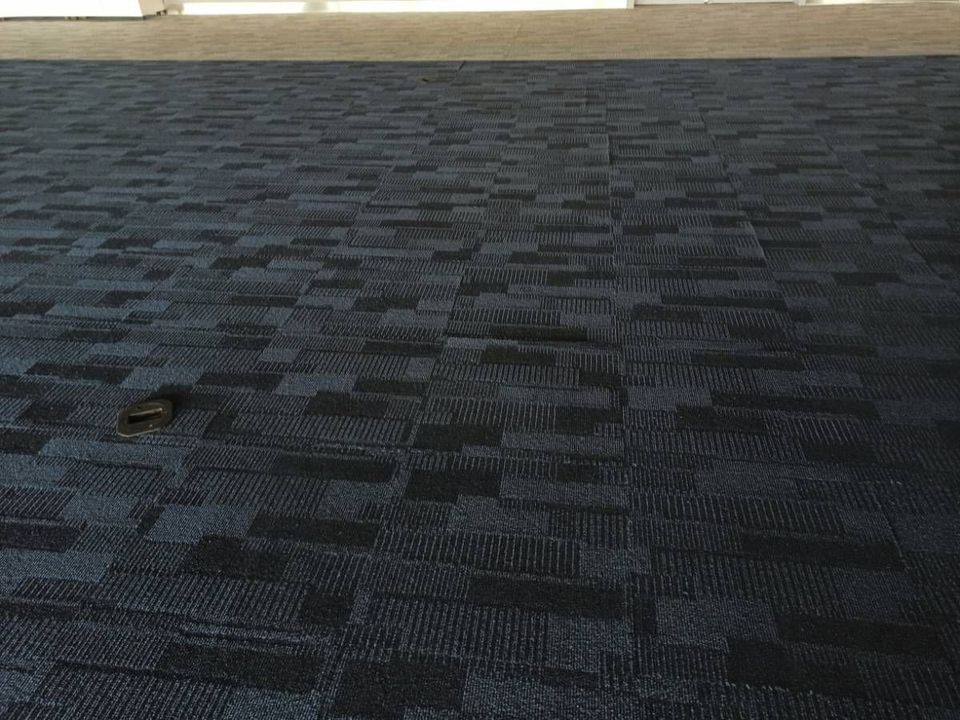
Recent Work
Domestic and commercial jobs from across Derby and Derbyshire.

Underlay Rated for Impact Sound
An acoustic underlay is not the same product as a standard foam one, and it shows.
Carpet fitting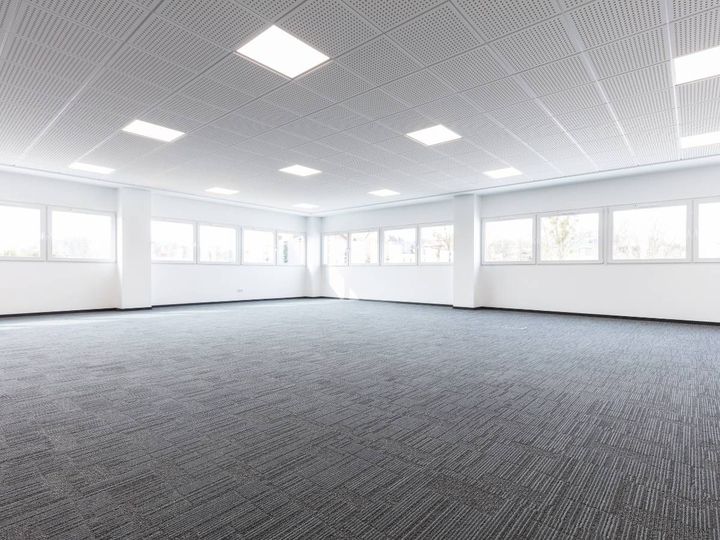
Contract Carpet in a Corridor
Corridors take every wheeled suitcase in the building and wear in strips.
Commercial flooring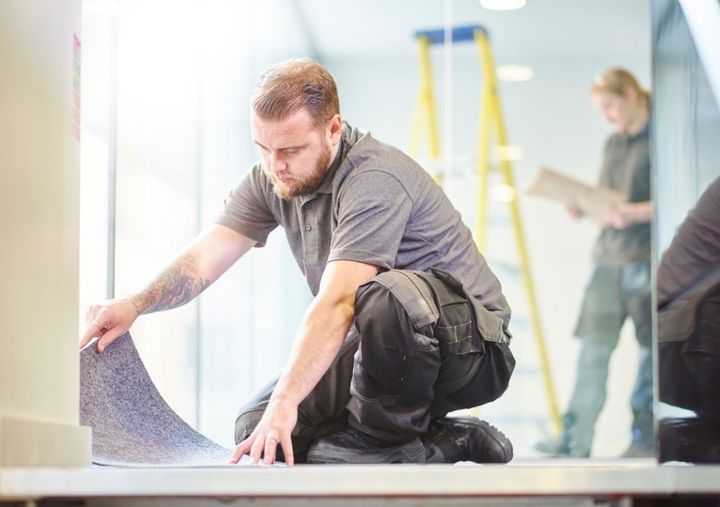
Fitted Around a Shutdown
Rooms out of inventory a block at a time, so occupancy never stops.
Commercial flooring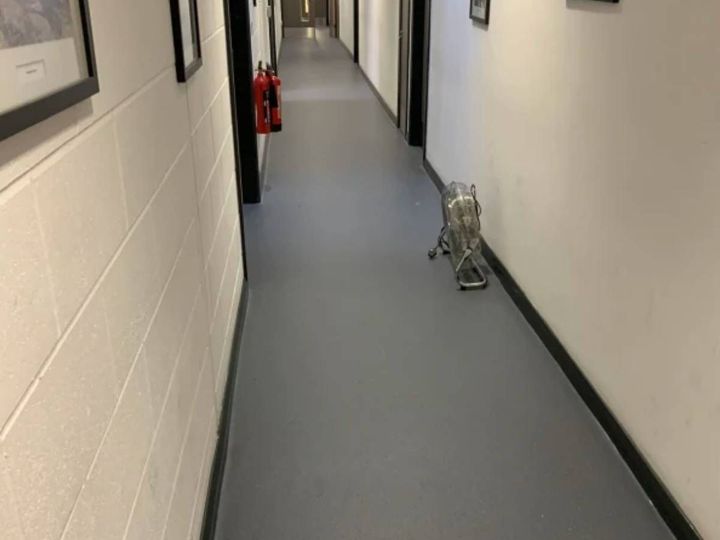
Vinyl in a Canteen
Slip-resistant where drinks go over and boots come in wet off a yard.
Safety flooring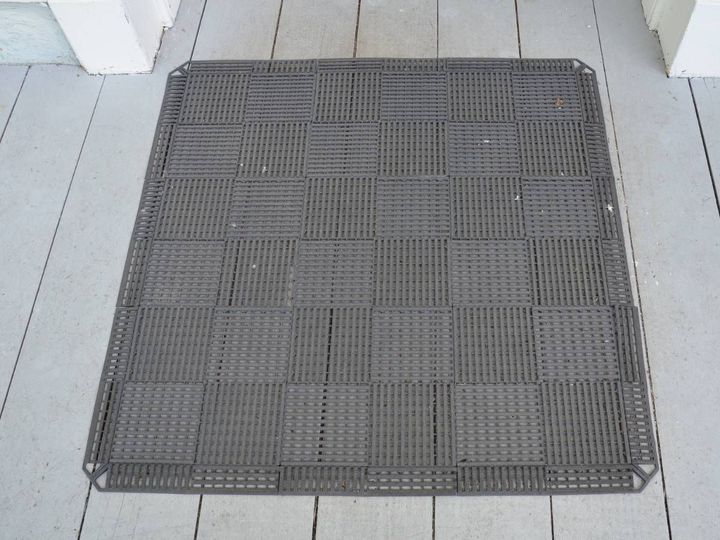
Matting at a Yard Entrance
Grit works like sandpaper. Stopping it at the door outlasts any specification.
Door matting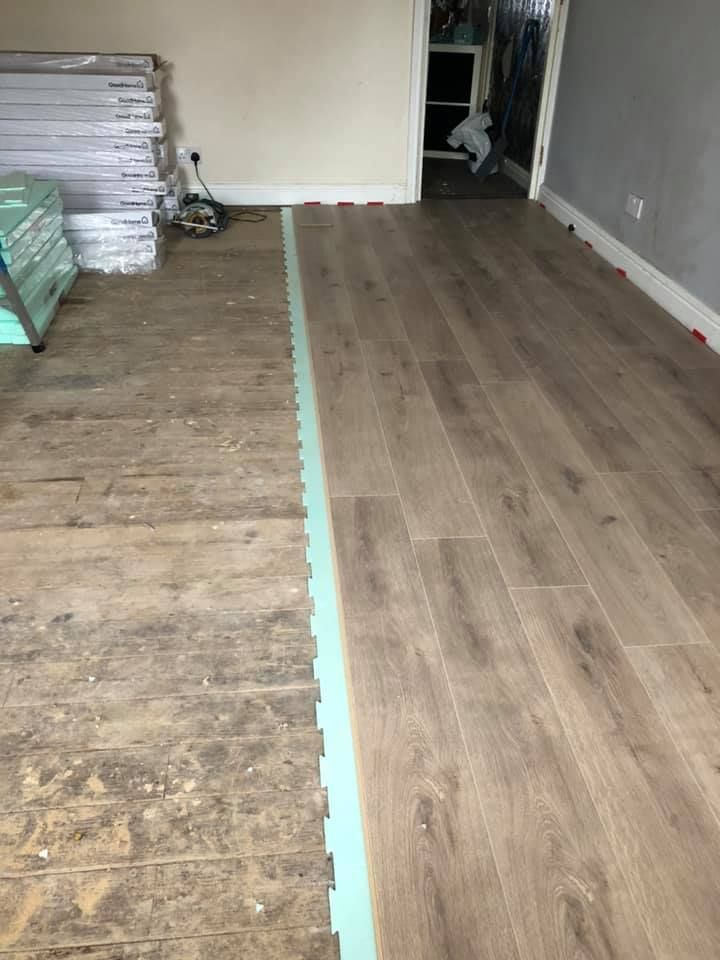
Laminate With a Proper Underlay
Straight onto a chipboard deck it transmits every footstep to the room below.
Laminate flooringFlooring in Castle Donington
Castle Donington is an odd and rather interesting place to work. Administratively it is in Leicestershire, but the postal address says Derby and the DE74 postcode puts it firmly in our patch as far as anyone living there is concerned. Alongside the historic village — cottages along Borough Street and Bondgate, a church and a set of streets that long predate everything around them — sits East Midlands Airport, Donington Park, and one of the largest concentrations of distribution and freight property in the country.
That combination produces two kinds of flooring work that barely overlap: houses full of people who work shifts, and commercial premises that never entirely close.
Shift Work, Sleep and Impact Sound
The most useful thing we can tell anyone living in this village, and it is about noise rather than looks.
A great many people here work nights or rotating shifts, at the airport, in the freight sheds or at events. That means a household where somebody is trying to sleep at two in the afternoon while the rest of the house is awake, and it makes the acoustic performance of a floor a genuine consideration rather than an afterthought.
There are two different kinds of noise and they are worth separating. Airborne sound is voices and television, which a floor does very little about. Impact sound is footsteps, dropped objects and chair legs, and a floor does an enormous amount about that — for better or worse.
Replacing a carpet with a hard floor upstairs is the single most effective way to make a house louder. Laminate and LVT over a bare chipboard deck transmit every footstep straight into the room below. It is why people love the look of a new hard floor and then quietly regret it within a month.
The fix is an acoustic underlay rated for impact sound reduction, quoted in decibels — typically somewhere around 18dB to 22dB for a good domestic product. It is not the same thing as a standard foam underlay and it costs a little more. In a house where somebody sleeps during the day it is the best money on the whole job.
Where a building has been converted into flats, this stops being a preference. Approved Document E sets sound insulation requirements between dwellings, and impact sound performance is part of it. If you are converting rather than redecorating, that belongs in the specification.
Hotels, Guest Houses and Fitting Without Closing
The airport supports a substantial amount of accommodation, from branded hotels down to guest houses and B&Bs taking early-flight trade, and those never properly close. There is no January shutdown week. There is always somebody in.
The answer is to fit in rotation rather than all at once. A block of rooms comes out of inventory for a few days, gets done, goes back, and the next block comes out. It takes longer overall and it costs marginally more in mobilisation, but it costs nothing in lost occupancy, which is the number that actually matters.
That approach needs planning rather than improvising. Material has to be ordered for the whole job at the start so every room matches — dye lots and batch numbers vary, and a corridor where rooms nine to twelve are visibly a different shade is a problem you cannot fix later. It also needs somewhere secure to store the balance of the material between phases.
Corridors are their own job and usually the most demanding part of a hotel floor. They take every wheeled suitcase in the building, and a heavy-contract carpet tile that can be replaced in sections is generally a better answer than broadloom that has to be relaid wall to wall when one stretch wears out.
Units, Offices and Welfare Around the Airport
The distribution and freight property around the village is enormous, but very little of what we are asked to do is the warehouse floor itself — those are power-floated concrete and a different trade entirely. What we fit is the part people occupy: offices, meeting rooms, canteens, changing rooms and reception areas.
That means carpet tiles in the office, slip-resistant vinyl in canteens and welfare areas where drinks get spilled and boots come in wet, and a matting well at every entrance from the yard.
The matting is not a detail. A site where people walk in and out of a yard all day brings in grit, and grit is what actually destroys a commercial floor — it works like sandpaper underfoot. A proper matting run at the entrance does more for the lifespan of everything behind it than any amount of specification elsewhere.
Sites running around the clock get fitted during a shift changeover, a shutdown or a bank holiday. Tell us the window and we will price the job to fit inside it.
The Old Village
The historic core is a different world from the estates. Cottages and older houses along Borough Street and the streets off it, with solid ground floors of some age — uneven, often laid without a damp-proof membrane, and worth testing and levelling rather than covering and hoping.
Low door heads and shallow thresholds are common in buildings of that age, so the build-up height of a new floor is a real constraint rather than a technicality. We measure it as part of quoting rather than discovering it on the day.
The modern estates around the village behave like modern houses anywhere: flat sound bases, minimal preparation, and the two usual questions of door clearance and whether anything upstairs has been lifted and refixed badly.
Our Flooring Services
Carpet Fitting
Carpets, grippers and acoustic underlay.
LVT Flooring
Luxury vinyl tile, supplied and fitted.
Laminate
AC4 and AC5 rated for busy rooms.
Commercial Flooring
Hotels, offices, receptions and corridors.
Safety Flooring
Slip-resistant vinyl for canteens and welfare.
Door Matting
Barrier matting wells for yard entrances.
Floor Preparation
Levelling and moisture testing old solid floors.
Commercial Kitchens
Welded safety vinyl with coved skirtings.
Get a Price for Your Floor
Tell us the rooms and rough sizes. For commercial work, tell us the window you can give us and we will price the job to fit inside it.
Flooring Questions from Castle Donington Customers
Is Castle Donington in Derbyshire or Leicestershire?
Leicestershire, administratively — North West Leicestershire district. The postal address and the DE74 postcode both say Derby, which is why the village feels like part of south Derbyshire to almost everyone living there.
It makes no difference to us. We cover it, along with Kegworth, Isley Walton, Diseworth and the villages around the airport.
Will a hard floor upstairs make the house louder?
Noticeably, yes. Replacing carpet with laminate or LVT upstairs is the single most effective way to make a house noisier, because hard floors transmit impact sound — footsteps, dropped objects, chair legs — straight into the room below.
It is why people love the look of a new hard floor and quietly regret it a month later. The fix is an acoustic underlay rather than a change of covering.
What is an acoustic underlay and is it worth it?
It is an underlay specifically rated for impact sound reduction, quoted in decibels — a good domestic product is typically somewhere around 18dB to 22dB. It is a different product from a standard foam underlay and costs a little more.
In a house where somebody sleeps during the day after a night shift, it is the best money on the whole job. We will tell you the rating of whatever we quote.
We are converting a building into flats. Are there rules about this?
Yes. Approved Document E sets sound insulation requirements between dwellings, and impact sound performance through the floor is part of it.
That applies to a material change of use, so a conversion engages it in a way that redecorating your own house does not. We are flooring contractors rather than acoustic consultants — if a specification has been written for the scheme, send it and we will quote to it.
Can you refit a hotel without us closing?
Yes, and it is how these jobs are normally done here. Rooms come out of inventory a block at a time, get fitted, go back, and the next block comes out.
It takes longer overall and costs marginally more in mobilisation. It costs nothing in lost occupancy, which is usually the number that matters.
Will the rooms match if they are done in phases?
Only if the material for the whole job is ordered at the start, and that is the part that has to be planned rather than improvised. Dye lots and batch numbers vary between production runs.
A corridor where rooms nine to twelve are visibly a different shade is not fixable after the event. We order the full quantity up front and need somewhere secure to store the balance between phases.
Do you fit warehouse floors?
Not the warehouse floor itself — those are power-floated concrete and a different trade. What we fit is the part people occupy: offices, meeting rooms, canteens, changing rooms and reception.
Carpet tiles in the office, slip-resistant vinyl in canteens and welfare, and a proper matting well at every entrance from the yard.
Can you work around a 24-hour operation?
Yes. Sites that never fully stop get fitted during a shift changeover, a planned shutdown or a bank holiday.
Tell us the window when you ask for a price and we will scope the job to fit inside it rather than assuming we can have the space for a week.
Areas We Cover
We fit flooring across Derby and the Derbyshire towns around it. Villages near each of these are covered too — if yours is not listed, ask us.
