
Safety Flooring Derby
Non-slip safety flooring for wet rooms, bathrooms, kitchens and commercial premises — supplied and fitted across Derby and Derbyshire.
From a domestic wet room to a communal shower block or a busy commercial kitchen, we advise on the right non-slip floor for the space and fit it properly, including cap coving for a sealed, easy-clean finish where the floor meets the wall.

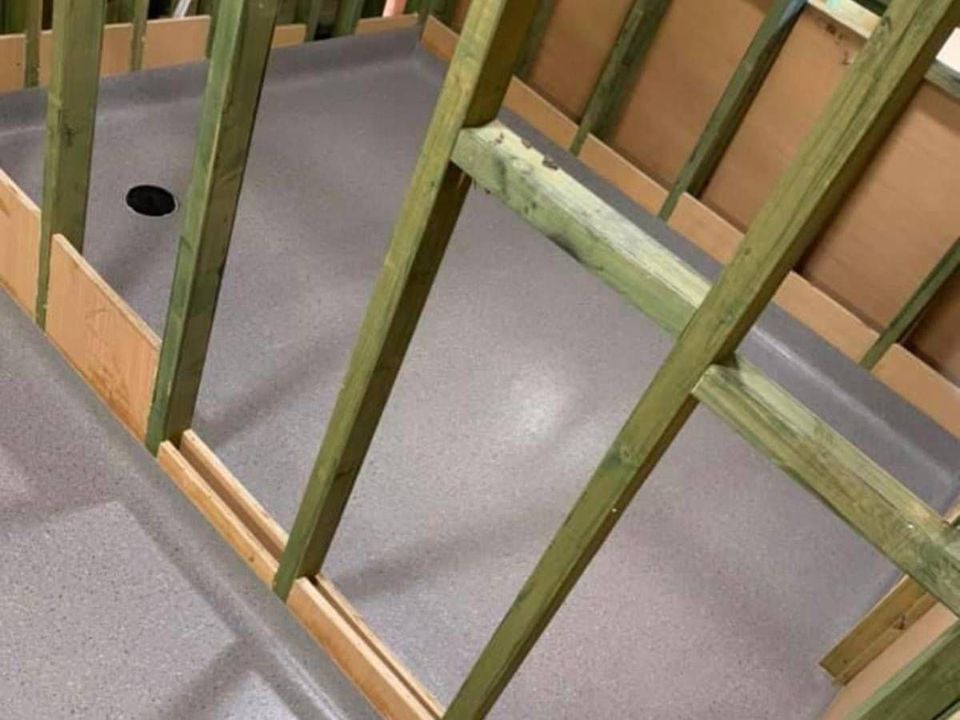
Safer Floors We've Fitted
Floors chosen for grip, hygiene and easy cleaning in spaces that see water, spills and busy feet. See more in our gallery.
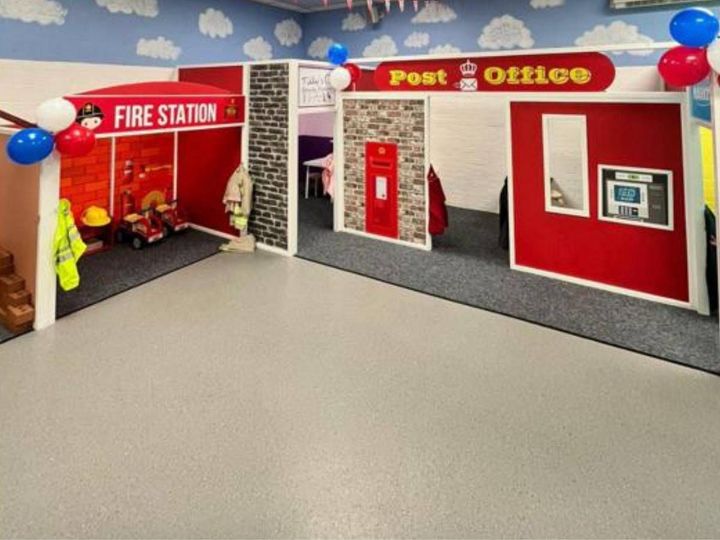
Nursery play area
Speckled safety vinyl in a role-play area, where spills and running feet are part of every day.
Commercial flooring
Nursery floor zones
Safety vinyl where children eat and play, with carpet tiles fitted alongside for a softer area.
Commercial flooring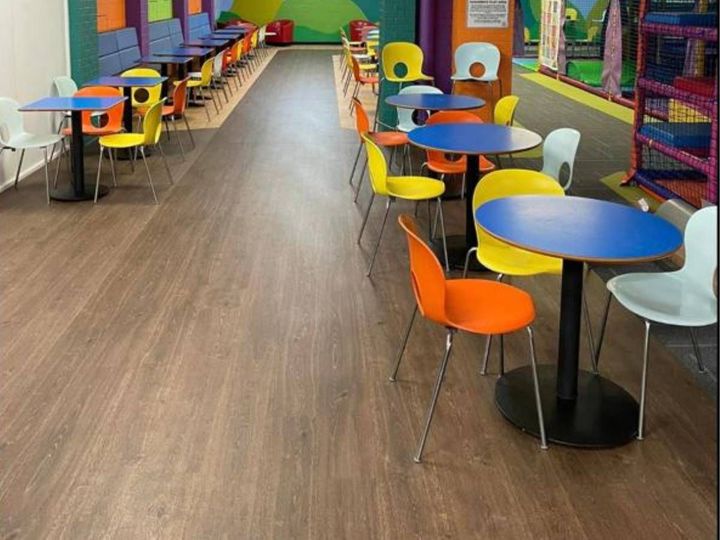
Nursery dining area
Wood-effect vinyl for a warmer look where meals are served, and a surface that wipes clean afterwards.
Vinyl flooring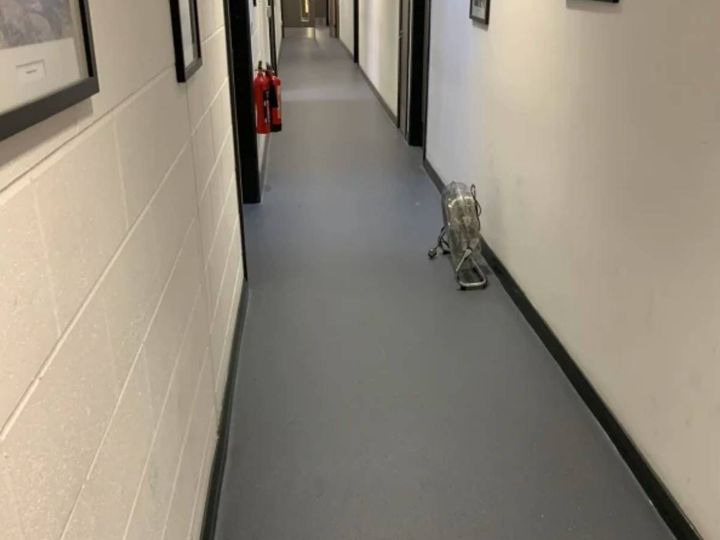
Commercial corridor
Hard-wearing commercial vinyl for a corridor that takes constant foot traffic and regular mopping.
Vinyl flooring
Gym rubber flooring
Rubber gives grip where sweat and water find their way onto the floor, and cushions heavy equipment.
Rubber gym flooring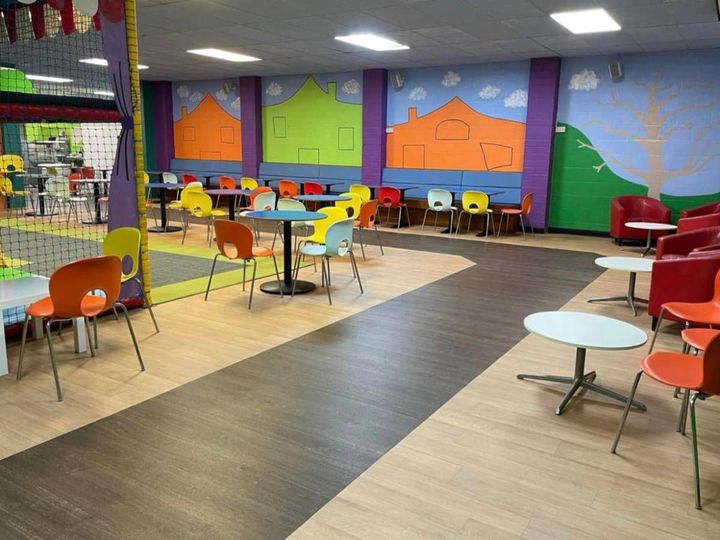
Two-tone safety vinyl
Two colours of safety vinyl mark out a walkway through the room while keeping grip throughout.
Commercial flooringSafety Flooring Derby
The right floor for the hazard, whether that's water, spills, chemicals or heavy foot traffic.
Safety flooring helps keep a space safe wherever there is a risk of slips, trips or falls. It's something of a catch-all term, because several different floor types each give a safety benefit against a particular hazard. Whichever floor it is, its main purpose is to prevent accidents and injuries by giving more grip underfoot.
You'll mostly find safety flooring in commercial and public settings such as hospitals, schools, gyms and kitchens, where safety is a top priority. As a general rule it also resists moisture and chemicals, which makes it durable and long-lasting.
For businesses there's a legal side too. HSE figures consistently put slips and trips among the most common causes of injury at work, and the Workplace (Health, Safety and Welfare) Regulations 1992 require employers to keep floors free from anything that makes them slippery enough to create a risk. See our commercial flooring page for how we plan installations in business premises.
How Slip Resistance Is Measured
What to look for on a product data sheet before you choose.
The Health and Safety Executive's preferred measure is the pendulum test, which gives a Pendulum Test Value (PTV). A PTV of 36 or above indicates low slip potential in wet conditions. The test uses different rubber sliders for shod and barefoot use, so for showers and wet rooms, check that the figure quoted is the barefoot one.
Safety vinyl made to EN 13845 is designed to keep its slip resistance for the life of the floor rather than wearing smooth. We'll talk you through the data for each option, but for a workplace, your own risk assessment decides what's needed.
Non-Slip Flooring for Wet Rooms
Safety flooring is often associated with commercial premises, but wet rooms are increasingly popular in homes too. Most people think of ceramic floor tiles first for bathrooms and wet rooms, and rightly so, as tiles are still the most popular choice in homes. With an ageing population and a focus on low maintenance, though, vinyl flooring for wet rooms is a very good alternative. Installed with cap coving, it gives a continuous floor-to-wall surface that is hygienic and easy to look after.
Whatever you're considering for your wet room floor, we can talk you through all the options when we come to measure up and quote.
Cap Coving for Wet Rooms
One of our more specialised safety flooring options for wet rooms is cap coving, where the floor is taken part-way up the wall instead of stopping at a joint. It gives a seamless, clean finish at the edges of the floor, so there are no gaps for dirt and debris to collect, which makes the floor quicker and easier to clean.
For commercial and communal changing rooms with showers this matters a great deal, because there is nowhere for mould to build up and put people off using the facility. The coving also acts as a barrier between the floor and the wall, helping stop water seeping into the walls and reducing the risk of mould and damp. The finish can be matched to the colour scheme of your business or room.
Anti-Slip Tiles
Tiles with a rougher or embossed surface give extra grip underfoot, which is especially important in commercial settings. Where heavy objects are carried around, or where parts of the floor are regularly exposed to the outside, water will come into the building on wet days. The right anti-slip flooring or floor tiles will reduce the risk of injury.
If you're not sure what's best for your workplace, we can visit your premises to assess what the floor will be exposed to and how much foot traffic it will see, then come back to you with recommendations and quotes for suitable non-slip options.
Related Services
Commercial Flooring
Carpet tiles, commercial vinyl and kitchen flooring, fitted around your business.
Vinyl Flooring
A wide range of vinyl for kitchens, bathrooms and living spaces.
Rubber Flooring
Hygienic, shock-absorbing flooring for gyms and sporting venues.
Door Matting
Entrance matting integrated into the floor, with no trip hazard at the door.
Floor Tiling
Ceramic and anti-slip floor tiles for bathrooms, wet rooms and kitchens.
Floor Preparation
Levelling and screeding for a flat, sound base under the new floor.
Wet Room Flooring Fitters
We fit safety and wet room flooring across Derby, Ripley, Heanor, Belper, Borrowash, Castle Donington, Melbourne, Alfreton, Somercotes, South Normanton, Allestree and Quarndon. Get in touch to arrange a visit and a quote.
Safety and Non-Slip Flooring Questions
Why choose Derbyshire Flooring Specialists to fit our safety flooring?
We provide a complete safety and wet room flooring service. We take the hassle out of choosing and sourcing the right non-slip floor, and we bring samples to view in the space where the floor will be fitted.
We can install cap coving, which takes the floor part-way up the wall to give a hygienic wet room floor with no corners for germs or standing water to collect. Our fitters bring the experience and attention to detail needed for a watertight floor.
Are there non-slip options that can go over existing flooring?
Yes, but most are temporary measures. Non-slip mats and rugs have a textured surface that grips well and can be placed on top of tile, wood or laminate and moved as needed, although a mat can create a trip hazard of its own. Non-slip coatings, paints and adhesive strips add texture to an existing floor, but they wear and need renewing. For a lasting solution, a properly installed safety floor is the better option.
Which rooms are most suitable for non-slip flooring?
Non-slip flooring gives the greatest benefit in rooms prone to moisture or spills, such as bathrooms, wet rooms, kitchens and utility rooms, where water, soap and other liquids make surfaces slippery. It's also a sensible choice in commercial settings such as restaurants, hospitals and gyms, where foot traffic is high and a safe environment is essential.
What materials are commonly used for non-slip flooring?
Rubber gives excellent grip and is especially useful in gyms, where water and sweat often reach the floor. Safety vinyl is durable and slip-resistant, and common in communal changing and shower rooms. In entrance areas, matting catches the rainwater people bring in on wet days before it reaches the floor beyond.
How do I clean and maintain non-slip flooring?
Sweep or vacuum regularly to remove loose dirt, then mop with a mild detergent or a cleaner made for non-slip flooring. Avoid harsh chemicals and abrasive cleaners, which can damage the non-slip surface. Clean up spills promptly, and check the floor now and then for wear or damage so it can be dealt with before it affects safety.
How is slip resistance measured?
The HSE's preferred method is the pendulum test, which gives a Pendulum Test Value (PTV). A PTV of 36 or above indicates low slip potential in wet conditions. For showers and wet rooms, check the barefoot figure, as the test uses a different slider for barefoot use.
Derbyshire Flooring Specialists safety non slip floor supply and installation service:
Non Slip Flooring Derby, Non Slip Flooring Ripley, Non Slip Flooring Heanor, Non Slip Flooring Belper, Non Slip Flooring Borrowash, Non Slip Flooring Castle Donington, Non Slip Flooring Melbourne, Non Slip Flooring Alfreton, Non Slip Flooring Sommercotes, Non Slip Flooring South Normanton, Non Slip Flooring Allestree, Non Slip Flooring Quarndon
