
Flooring Fitters in Ashbourne
Covering Ashbourne, Clifton, Mayfield, Brailsford and the villages towards Dovedale.
Holiday cottages that have to be cleaned in a changeover and sit cold for weeks between bookings. Barns with runs longer than any room in a normal house. And a Georgian town centre where nothing is flat. All three need different answers.

Recent Work
Jobs from across Derby and Derbyshire.
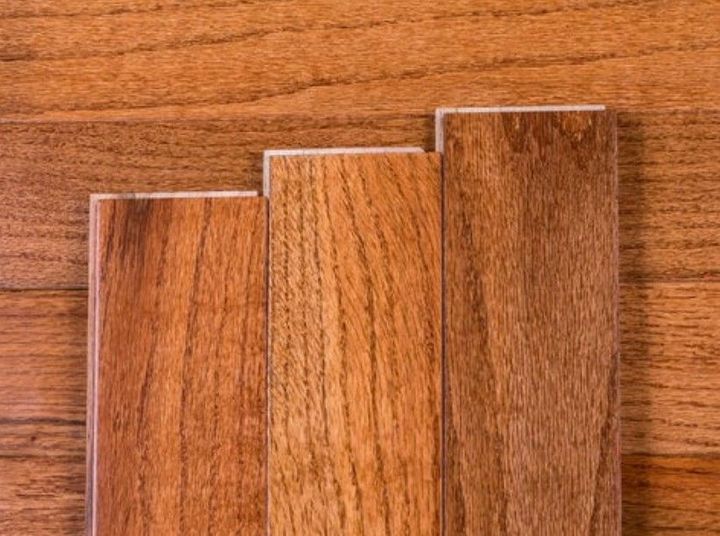
Engineered Wood in a Cold Property
Cross-bonded layers that stay put through a heating cycle a solid board would not survive.
Wood flooring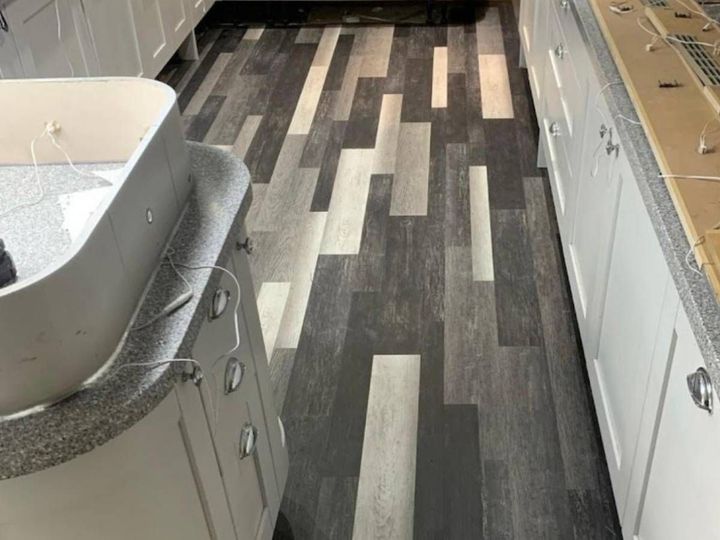
Click-Fit LVT in a Let Kitchen
One damaged plank is a ten-minute job between bookings, not a closed week.
LVT flooring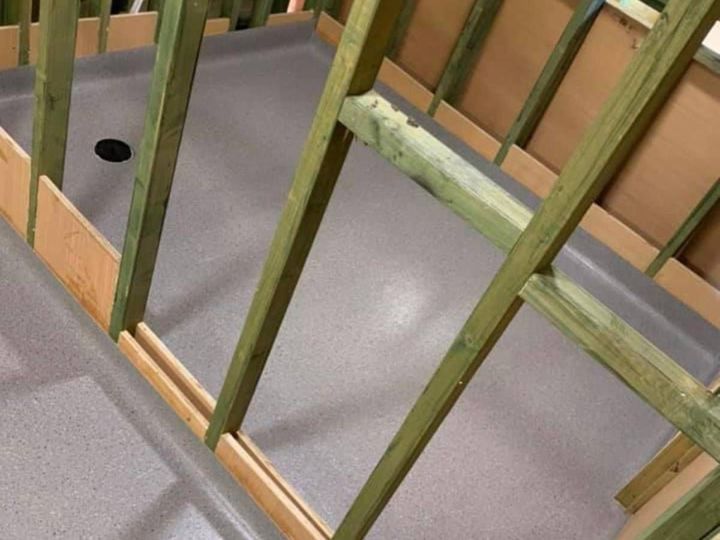
Welded and Coved in a Bathroom
Guests are inventive with shower curtains. A welded floor does not care.
Vinyl flooring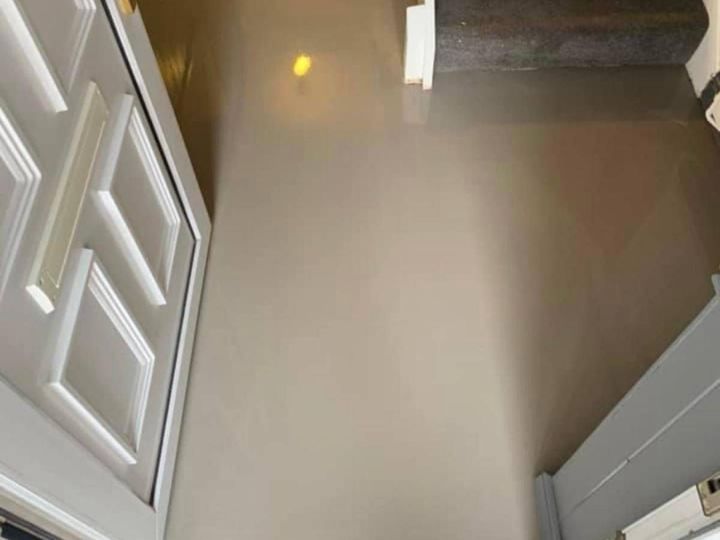
Levelling an Old Farmhouse Floor
Tested for moisture first, because a flagstone floor was never laid with a membrane.
Floor preparation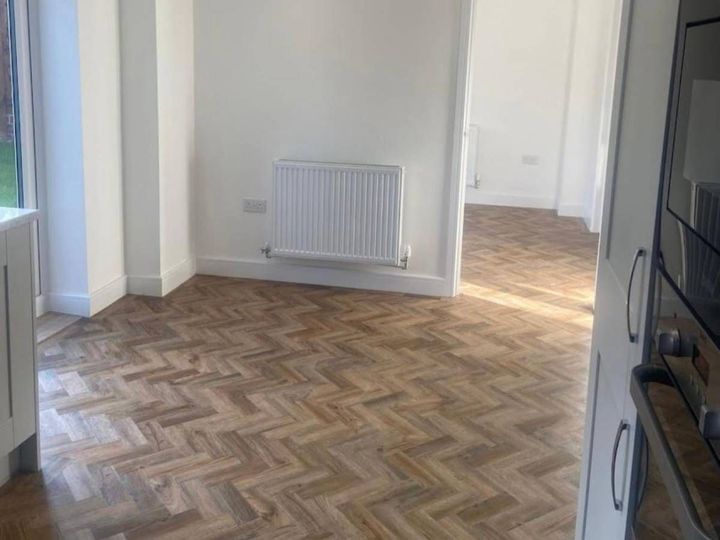
Herringbone in a Converted Space
Pattern movement hides a footprint far better than a plain dark floor does.
Herringbone flooring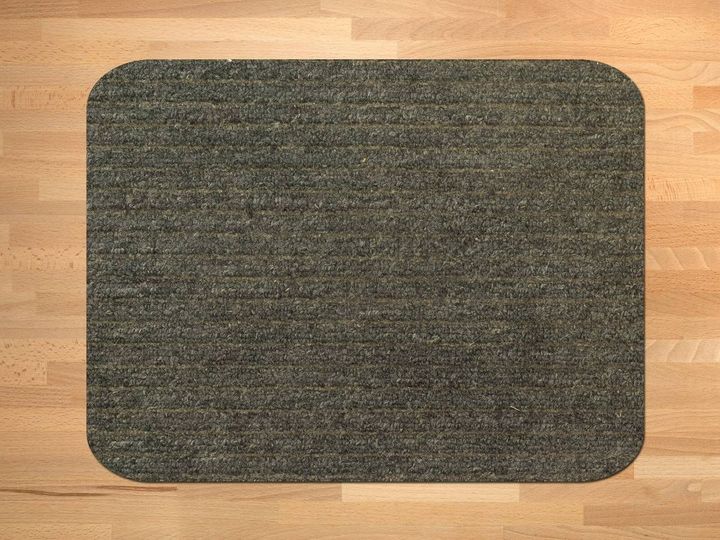
Matting for a Wet Bank Holiday
Three hundred people off a wet street is what a shop floor actually has to survive.
Door mattingFlooring in Ashbourne and the Surrounding Dales
Ashbourne is a Georgian market town at the southern edge of the Peak District, and the work here splits along a line that does not exist anywhere else we cover. There is the town itself — Church Street and the streets around it, one of the finest runs of Georgian building in the county, plus Victorian terracing and modern estates on the edges. And then there is everything outside it: farmhouses, converted barns, cottages up single-track lanes, and a great many properties that are somebody’s second home or holiday let rather than anybody’s permanent address.
We cover Ashbourne, Clifton, Mayfield, Brailsford, Hulland Ward and the villages towards Dovedale. It is a longer run from Derby than most of our patch and we are straightforward about that rather than pretending otherwise.
Flooring a Holiday Let
A large share of the property around Ashbourne is let to visitors, and it needs a genuinely different specification from a family home.
A holiday cottage floor has an unusual job. It gets heavy use in short bursts from people who do not own it, it has to be cleaned completely in the two or three hours of a changeover, and between bookings it can sit empty and unheated for weeks. Choose a floor for how it looks in a photograph and you will be replacing it far sooner than you planned.
The things that actually matter are dull and specific. No grout lines, because grout is the single slowest thing to clean on a changeover day and the first thing to look tired in photographs. Welded seams in the bathroom, so a guest’s idea of a shower curtain does not put water under the floor. Something replaceable in sections — a click-fit LVT or a carpet tile means one damaged plank or tile is a ten-minute repair between bookings rather than a closed week. And a mid-tone with some pattern movement, because a very dark or very plain floor shows every footprint and crumb in the hour after it has been cleaned.
Where there is carpet, it wants to be a solution-dyed product that will take a bleach-based clean without losing colour. Guests spill red wine. That is simply a fact of the business.
Empty, Cold and What That Does to Wood
The second half of the holiday-let problem, and it applies equally to second homes, is what happens to a floor in a building nobody is heating.
Wood is hygroscopic — it takes on and gives up moisture from the air around it, and it changes size when it does. A cottage that is warm and occupied one week and cold and shut up the next puts a floor through a cycle that a permanently lived-in house never sees. Solid wood responds to that by cupping, gapping in winter and closing up again in summer, and in an extreme case by lifting.
Engineered board is built in cross-bonded layers specifically to resist that movement, and it is what we would fit in any property with irregular occupation. It looks identical once it is down. The difference is entirely structural and entirely in your favour.
The same reasoning applies to anything left over an unheated void or a cold flagstone floor. Where a room genuinely cannot be kept at a stable temperature, that belongs in the conversation before the product is chosen rather than in the complaint afterwards.
Barns, Farmhouses and Long Runs
Barn conversions are common around here and they bring two technical questions at once. The first is scale — a converted barn often has an open ground floor far longer than any room in a normal house, and a floating floor has a maximum run before it needs an expansion break, typically somewhere around 10 to 12 metres depending on the manufacturer. Beyond that the floor needs either a break or a glued-down product that does not float at all.
The second is underfloor heating, which most conversions have. That pushes the specification towards thin, conductive coverings and towards engineered rather than solid wood, and it means the screed has to be properly dried and commissioned before anything goes down. More on underfloor heating if the build is still in progress.
Older farmhouses bring flagstone and quarry-tiled floors laid straight onto the ground with no damp-proof membrane, which need testing rather than assuming before an impermeable covering goes over them. Where the original floor is sound and the building is listed, leaving it in place under a new floor is often the better answer than lifting it.
Getting to You, and Getting the Floor to You
We are honest about geography. Ashbourne is a good run from Derby and the outlying properties are further again, up lanes that a long-wheelbase van does not always love.
That matters for two practical reasons. Deliveries of flooring come on a pallet, and a pallet lorry cannot always reach a farmhouse at the end of an unmade track — so it is worth establishing early whether material is being delivered to the property or to us. And a job that needs everything carrying a distance is a longer day, which we would rather have in the quote than added to the invoice.
Tell us about the access when you get in touch. Width of the lane, where a van can stop, whether there are steps. None of it is a problem if we know about it.
Shops, Pubs and Tea Rooms
Ashbourne’s commercial work is visitor-facing almost across the board — cafes, tea rooms, pubs, gift shops and the businesses along St John Street and the Market Place, most of them in old buildings with uneven floors and listed status to consider.
Food premises want welded safety vinyl with coved skirtings in the kitchen, and something hard-wearing and cleanable front of house. Shops want a floor that survives a wet Bank Holiday when three hundred people walk in off the street, which makes a proper matting well at the door the highest-value thing on the whole specification.
Work goes in on a closed day or out of season. In a town whose trade is this seasonal, January is usually the right month and we will say so.
Our Flooring Services
Wood Flooring
Engineered wood for irregularly heated property.
LVT Flooring
Click-fit and glue-down luxury vinyl tile.
Carpet Fitting
Carpets, grippers and underlay.
Vinyl Flooring
Welded sheet vinyl for let bathrooms.
Floor Preparation
Moisture testing and levelling old solid floors.
Underfloor Heating
Electric and wet systems in conversions.
Herringbone
Herringbone and parquet-effect layouts.
Commercial Flooring
Cafes, tea rooms, pubs and shops.
Get a Price for Your Ashbourne Floor
Tell us the rooms, the rough sizes, and whether the property is lived in, let or left empty between visits. That last one genuinely changes the recommendation.
Flooring Questions from Ashbourne Customers
How far out from Ashbourne do you cover?
Ashbourne, Clifton, Mayfield, Brailsford, Hulland Ward and the villages out towards Dovedale.
It is a longer run than the rest of our patch and we would rather say so than pretend distance costs nothing. Ring 01332 215444 with your address and we will tell you straight away whether we can get to you.
What flooring works best in a holiday let?
Something with no grout lines, welded seams in the bathroom, and the ability to be repaired in sections. Click-fit LVT and carpet tile both let you replace one damaged piece between bookings rather than closing for a week.
Go for a mid-tone with some pattern movement rather than very dark or very plain, which show every footprint an hour after cleaning. Where you want carpet, choose a solution-dyed product that takes a bleach clean without losing its colour.
Our cottage is empty and unheated for weeks at a time. Does that matter?
It matters a great deal for wood. Wood takes on and gives up moisture from the air and changes size as it does, so a building that swings between warm-and-occupied and cold-and-shut puts a floor through a cycle a lived-in house never sees.
Solid wood responds by cupping, gapping in winter and occasionally lifting. Engineered board is built in cross-bonded layers precisely to resist it, looks identical once down, and is what we would fit in any property with irregular occupation.
Can you floor a barn conversion with one continuous floor?
Often, but the run length has to be checked. A floating floor needs an expansion break beyond a maximum run, typically around 10 to 12 metres depending on the manufacturer, and a converted barn frequently exceeds that in one direction.
The alternatives are a discreet expansion profile where it reads as a deliberate threshold, or a glued-down product which does not float and has no limit of that kind.
The barn has underfloor heating. What can we put over it?
Thin and conductive. LVT, sheet vinyl and tile are all excellent. Engineered wood works well at the right board thickness. Solid wood is the one we would talk you out of.
The screed has to be properly dried and the heating commissioned through a warm-up cycle before anything goes down. If the build is still in progress, that conversation is much easier now than later.
There is a flagstone floor under the carpet. What should we do with it?
Find out whether the building is listed before you do anything, because listing covers interiors and lifting an original floor can need consent.
Beyond that, a sound original floor is often best left where it is with a new floor laid over the top, protected and intact. It needs moisture testing first — a flagstone floor laid straight onto the ground has no damp-proof membrane under it.
Can a pallet delivery reach a property up a track?
Not always, and it is worth establishing early rather than on the day. Flooring arrives on a pallet and a pallet lorry needs somewhere it can physically get to and unload.
Tell us about the access — the width of the lane, where a van can stop, whether there are steps. None of it is a problem if we know in advance; all of it is a problem if we do not.
When is the best time to refit a shop or tea room floor here?
Out of season, and in this town that generally means January. Ashbourne’s trade is seasonal enough that closing for two days in August costs far more than the floor.
We will plan around a closed day or a quiet week rather than asking you to shut when you are busy.
Areas We Cover
We fit flooring across Derby and the Derbyshire towns around it. Villages near each of these are covered too — if yours is not listed, ask us.
